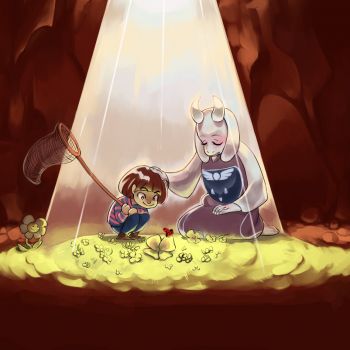
What Makes Undertale a Unique Adventure
Undertale is a role playing experience that invites players to explore a world filled with quirky characters and moral choices. The game presents a simple visual style that hides a deep narrative and a surprising amount of replay value. Players step into the shoes of a child who has fallen into an underground realm populated by monsters. The tone shifts from light hearted humor to moments of genuine emotional weight, creating a memorable journey that stays with the player long after the final scene.
The design philosophy of Undertale encourages players to think about the consequences of each action. Rather than forcing combat at every encounter, the game offers multiple ways to resolve conflicts. This approach rewards curiosity and careful reading of dialogue, making each playthrough feel fresh. The soundtrack, composed with a blend of chiptune and orchestral elements, adapts to the player’s decisions and adds an extra layer of immersion.
Practical Guidance for New Players
For those who are new to Undertale, the first step is to move slowly through each area and pay attention to the words spoken by the monsters. The game often hides clues in the text, and understanding these hints can open alternative paths that avoid combat altogether. When a battle begins, the screen will display a series of options. Choosing the non violent route usually involves a pattern of timing and observation rather than button mashing.
One useful habit is to experiment with the pause function. Pausing the game does not stop the narrative flow, but it gives the player a chance to read the full dialogue and consider the options presented. Many puzzles rely on reading small details, so taking a moment to absorb the information can prevent frustration.
Another tip is to keep an eye on the health indicator that appears at the bottom of the screen. The indicator changes color based on the player’s current state. Maintaining a healthy level will make difficult encounters easier to manage, especially when the player decides to engage in combat for the first time.
Exploration rewards the player with hidden items and secret rooms. These hidden spaces often contain items that improve the player’s abilities or provide background lore that enriches the story. To discover them, try moving the character to the edges of the screen and look for subtle visual cues such as a slightly different floor tile or a faint glow.
Saving the game frequently is a wise practice. The game allows the player to save at designated points, and doing so before a major decision gives the freedom to reload and try a different approach. This feature supports the experimental nature of Undertale and encourages players to see how different choices affect the outcome.
Exploring Themes and Replay Value
Undertale stands out because it challenges the traditional expectations of role playing games. The narrative explores themes of empathy, forgiveness, and the impact of personal choices. Players who complete the game once often feel compelled to start a new run to see how alternate decisions reshape the story. The game tracks the player’s actions and adjusts the dialogue and ending accordingly, providing a sense of continuity across multiple playthroughs.
The visual style, while simple, is deliberately crafted to focus attention on the characters and their personalities. Each monster has a distinct voice and back story, making encounters feel like conversations rather than generic battles. This character driven design invites players to form attachments and consider the moral weight of their actions.
In addition to the main storyline, Undertale includes optional side quests that reveal deeper layers of the world. These side quests often require the player to return to earlier locations with new items or knowledge, creating a loop that feels rewarding rather than repetitive. The combination of main plot, side content, and multiple endings ensures that the game remains engaging long after the first completion.
Frequently Asked Questions About Undertale
Is Undertale suitable for players of all ages?
The game presents a mix of humor and serious moments that can be appreciated by a wide audience. While the visual style is child friendly, some themes may be more meaningful to older players. Parents may wish to discuss the moral choices with younger gamers to enhance the experience.
Can I finish the game without fighting any monsters?
Yes, the game offers a route that allows the player to avoid combat entirely. This path requires careful observation of enemy patterns and a willingness to explore alternative dialogue options. Players who succeed in this approach experience a unique ending that reflects the pacifist philosophy.
How many endings does Undertale have?
Undertale features several distinct conclusions that depend on the player’s actions throughout the journey. The most commonly discussed endings are the pacifist ending, the neutral ending, and the more challenging ending that results from aggressive choices. Each ending provides a different perspective on the story.
Do I need a powerful computer to run Undertale?
The game was designed with modest system requirements in mind. It runs smoothly on most modern computers and does not demand high performance hardware. Players can enjoy the full experience on a wide range of devices.
Is there any benefit to replaying the game after the first completion?
Replaying Undertale offers the chance to explore new dialogue, discover hidden items, and experience alternate story branches. Each subsequent playthrough reveals additional layers of the narrative and deepens the player’s connection to the characters.